Source laser engraved dragon rings for gifts, decorations, and fashion
Compare 30 laser engraved dragon rings from verified suppliers offering customization, various materials like stainless steel and silver, and diverse styles. Buyers can evaluate specifications, pricing, and lead times for wholesale sourcing needs.
Key considerations
Products List


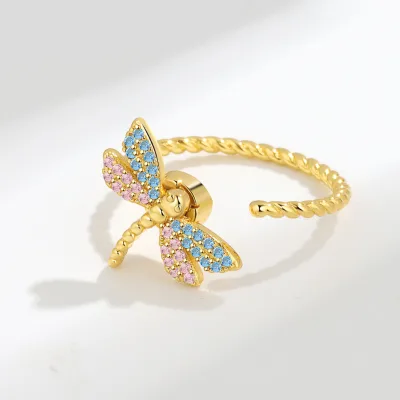


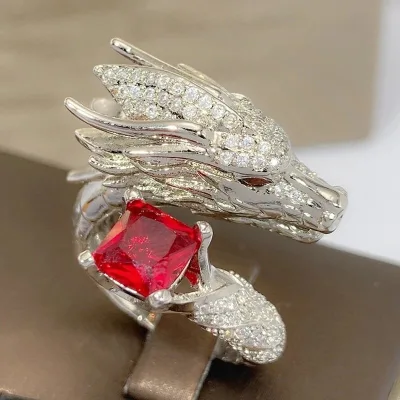
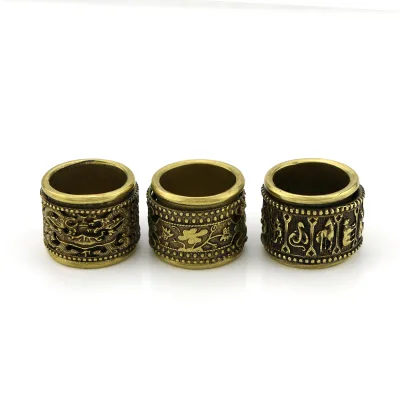
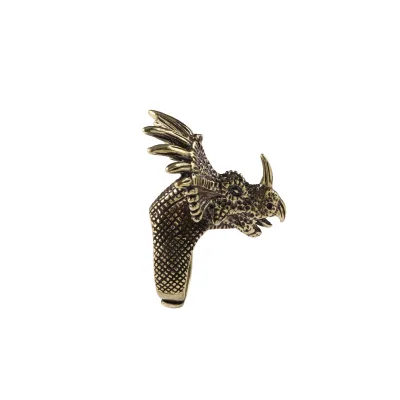




Comprehensive Sourcing Guide
Strategic Sourcing Guide for Laser Engraved Dragon Rings
The procurement of laser engraved dragon rings represents a specialized intersection of traditional jewelry craftsmanship and modern digital fabrication. For B2B buyers, navigating this market requires a rigorous understanding of material properties, fabrication processes, and the specific customization capabilities of suppliers. While the core keyword suggests a specific aesthetic and technical method, the actual supply chain often presents a diverse array of ring types, materials, and finishing techniques. A successful sourcing strategy relies on verifying that the supplier's actual production capabilities align with the buyer's specific design requirements for laser engraving, particularly regarding the chosen metal substrate and the intended depth of the engraving.
Material Selection and Fabrication Capabilities
The foundation of any high-quality ring lies in the base material. In the context of laser engraved dragon rings, the material choice dictates the feasibility of the engraving process and the final product's durability. The available market data indicates a strong prevalence of Stainless Steel and 925 Sterling Silver as primary substrates. Stainless steel offers a robust, corrosion-resistant base that is highly suitable for laser engraving, particularly for designs requiring a durable, everyday-wear finish. The data confirms that "Stainless Steel" is a documented material attribute for specific ring models, often paired with "Polishing" as a fabrication processing step. This combination suggests a workflow where the raw metal is shaped, polished to a high sheen, and then subjected to laser marking to create the dragon motif.
Conversely, the presence of "925 Sterling Silver" and a stated "Purity: 92.5%" highlights a premium segment of the market. Laser engraving on silver requires precise control over the laser's power to avoid damaging the soft metal or creating excessive oxidation. The data also notes "Gold Plating" and "Silver Plating" as common finishing crafts. Buyers must verify whether the laser engraving is performed on the base metal before plating or if the plating is applied over an engraved surface. If the engraving is done after plating, the laser must be calibrated to remove the plating layer without damaging the underlying silver or steel, revealing the base metal color to create a high-contrast dragon design. The "Casting" process is frequently cited alongside these materials, indicating that the ring bodies are often formed via casting before the laser engraving step. This sequence is critical; casting creates the initial geometry, while laser engraving adds the detailed surface art.
Technical Specifications and Customization Parameters
When sourcing laser engraved dragon rings, technical specifications extend beyond simple dimensions to include the depth of the engraving, the resolution of the laser, and the compatibility of the design file with the supplier's equipment. The provided data points to a "Customized" attribute being widely available, with specific mentions of "Customized" sizes and "Logo Service" offerings. This implies that suppliers are equipped to handle bespoke designs, including complex dragon illustrations. However, the "Sample Time: Within 15 Work Days" suggests a lead time that buyers must account for during the prototyping phase.
The "prod_standard" field in the data references dimensions like "578cm" and "4.2g," which likely refer to packaging or specific model weights rather than the ring size itself. Buyers should not assume these are universal ring dimensions. Instead, the "Size: Customized" attribute is the more relevant specification for the final product. It is essential to confirm that the supplier can accommodate the specific diameter and width required for the dragon design to be legible. The "Shape" attributes observed, such as "Round" and "Geometry," indicate that the base ring forms vary. A geometric or round band may affect how a dragon motif wraps around the finger.
Furthermore, the "Craft" attributes list "Casting, Mop Black" and "Gold Plating." The presence of "Mop Black" suggests a specific aesthetic finish that might be used to contrast with a laser-engraved dragon. Buyers must clarify if the laser engraving is intended to be a surface treatment on a black background or if it is a distinct feature on a polished metal surface. The "Fade?: No" attribute is a crucial quality indicator, suggesting that the engraving or plating is designed to be permanent and resistant to wear, a key requirement for laser-engraved jewelry intended for long-term use.
Compliance, Certification, and Quality Verification
In the B2B jewelry sector, compliance and quality verification are paramount, especially when dealing with international suppliers. The data indicates that the "prod_origin" is primarily "China," with a specific mention of "Guangzhou, China" as a production hub. While this provides a geographical context, it does not automatically confer specific certifications. Buyers must independently verify that the supplier adheres to international standards for precious metals, particularly when "925 Sterling Silver" is claimed. The "Purity: 92.5%" claim requires third-party assay testing to ensure the silver content meets the legal definition of sterling silver in the buyer's target market.
Regarding laser engraving specifically, there are no explicit certification standards listed in the provided data. However, buyers should inquire about the supplier's adherence to safety standards for laser processing and the environmental regulations regarding the disposal of metal dust and plating chemicals. The "Service: Welcome OEM&ODM" note confirms that the supplier is set up for Original Equipment Manufacturer and Original Design Manufacturer partnerships, which typically involves a more rigorous vetting process regarding intellectual property and quality control protocols.
Quality control should also focus on the consistency of the "Fabrication Processing." The data lists both "Polishing" and "Electroplating" as distinct processes. A high-quality laser engraved ring should undergo a final polishing or buffing stage after engraving to remove any burrs or residue, ensuring a smooth finish. The "Fade?: No" attribute serves as a baseline expectation for durability, but buyers should request sample testing results to validate claims of fade resistance, particularly for plated items. The "Packing" details, such as "Individual OPP Bag + a Carton," suggest a standard retail-ready packaging, but buyers should specify if additional protective measures are needed for the engraved surface during transit to prevent scratching.
Cost Drivers and Pricing Dynamics
The pricing structure for laser engraved dragon rings is influenced by several variables, including material cost, labor intensity, and customization complexity. The observed price range in the market spans from $0.15 to $56.71, a wide disparity that reflects the difference between mass-produced stainless steel items and hand-finished sterling silver pieces. The "MOQ" (Minimum Order Quantity) ranges from 2 to 2600, indicating that suppliers cater to both small-batch custom orders and large-scale wholesale distribution.
For laser engraved designs, the cost driver is often the setup time for the digital file and the laser machine calibration. While the "Logo Service" is offered, complex dragon illustrations may require more time to vectorize and test on the specific metal substrate compared to simple text logos. The "Payment" terms listed, including "T/T, Western Union, Paypal, Money Gram," offer flexibility but also highlight the need for secure transaction protocols. Buyers should be aware that the lower end of the price range likely corresponds to standard stainless steel rings with basic engraving, while the higher end reflects the use of 925 silver, gold plating, and intricate, custom dragon designs.
The "Delivery Time: Within 30-35days After Getting Deposit" is a significant factor in the total cost of ownership. This lead time includes the production of the cast rings, the laser engraving process, plating, and quality inspection. Buyers must factor this into their inventory planning. The "Sample Time: Within 15 Work Days" further emphasizes that the initial development phase is time-intensive. Rushing this phase can lead to errors in the engraving depth or design alignment, which are difficult to correct in mass production.
Supplier Evaluation and Operational Due Diligence
Evaluating a supplier for laser engraved dragon rings requires a multi-faceted approach that goes beyond price comparison. The "Service: Welcome OEM&ODM" attribute is a positive signal, but buyers must verify the supplier's actual capacity to handle custom laser work. This involves requesting a portfolio of previous laser-engraved samples, specifically looking for dragon motifs to assess the detail resolution and edge definition. The "Craft" attributes like "Casting" and "Electroplating" should be cross-referenced with the supplier's equipment list to ensure they possess the necessary laser engraving machines.
The "Location" data points to Guangzhou, China, a major manufacturing hub. While this suggests a mature supply chain, buyers should conduct on-site audits or virtual factory tours to verify the working conditions and the specific laser equipment used. The "Shipment" options, including "DHL, FedEx, TNT, UPS," indicate a logistics network capable of international delivery, but buyers should confirm the supplier's experience with customs documentation for jewelry, especially when shipping precious metals like silver.
A critical aspect of supplier evaluation is the consistency of the "prod_model" numbers. The data lists various models (e.g., R30520, R30359, j2152), which may represent different base designs. Buyers should ensure that the supplier can apply the laser engraving to the specific model that best fits the dragon design. The "Customized" attribute suggests flexibility, but the supplier must demonstrate the ability to maintain quality across different model numbers.
Long-Term Procurement and Market Trends
Sourcing laser engraved dragon rings is not just a one-time transaction but a long-term partnership that requires strategic planning. The "Style" attributes, including "Retro," "Fashion," and "Simple," indicate that the market is diverse. Buyers should analyze current fashion trends to determine if the dragon motif is being requested in a retro style, a modern geometric interpretation, or a classic simple design. The "Gender" attributes, ranging from "Male" to "Unisex" to "Female," suggest that dragon rings have broad appeal, and the supplier should be capable of producing designs that cater to different demographics.
The "Usage" attributes, such as "Decoration" and "Gift," highlight the dual nature of these products. They are often purchased as fashion accessories or as personalized gifts. This duality means that the packaging and presentation are as important as the ring itself. The "prod_packing" details, such as "OPP Bag" or "OPP Bags+Cartons," should be evaluated to ensure they meet the buyer's branding requirements. For gift items, custom packaging options may be necessary.
Long-term considerations also include the scalability of the laser engraving process. As demand grows, the supplier must be able to increase production volume without compromising the quality of the engraving. The "MOQ" range suggests that suppliers are flexible, but buyers should negotiate volume discounts that reflect the increasing order quantities. The "Payment" terms should be structured to protect the buyer's interests, perhaps using a tiered payment schedule that aligns with production milestones.
Conclusion
The procurement of laser engraved dragon rings demands a meticulous approach that balances technical precision with commercial viability. By leveraging the available data on materials like stainless steel and 925 sterling silver, and understanding the fabrication processes of casting, polishing, and electroplating, buyers can make informed decisions. The wide price range and MOQ flexibility offer opportunities for various business models, from small boutique orders to large wholesale contracts. However, the success of these procurement efforts hinges on rigorous supplier evaluation, verification of material purity and engraving quality, and clear communication regarding customization requirements. Buyers must remain vigilant in verifying all claims, particularly regarding certifications and durability, to ensure that the final products meet the high standards expected in the global jewelry market. The integration of laser technology with traditional jewelry making offers a unique value proposition, but it requires a partner who understands the nuances of both disciplines.
FAQs
Can I get custom laser engraved dragon rings with specific sizes?
Yes, customized sizes are available for these rings. Suppliers offer logo services and can accommodate bespoke designs, though sample times may take within 15 work days before mass production begins.
What materials are used for laser engraved dragon rings?
The primary materials include stainless steel and 925 sterling silver with 92.5% purity. These substrates support various finishing crafts like gold plating, silver plating, and polishing to ensure durability.
How long does it take to receive a sample of the rings?
Sample time is typically within 15 work days after design approval. This period allows for the casting process and initial laser engraving before the full production run of 30 to 35 days.
Which customization options are available for the ring designs?
Customization includes logo services, specific sizes, and various styles like retro or fashion. The rings are available in colors such as black, white, and gold with options for different shapes like round or geometry.
What is the minimum order quantity for these rings?
The minimum order quantity ranges from 2 to 2600 units depending on the supplier and specific model. This flexibility allows buyers to source small batches or large wholesale orders for decoration or gift purposes.
Can the rings be shipped internationally with secure payment options?
Yes, shipping is available via DHL, FedEx, TNT, and UPS to global destinations. Payment methods include T/T, Western Union, Paypal, and Money Gram to ensure secure transactions for international buyers.